From observation to mechanism, from mechanism to action
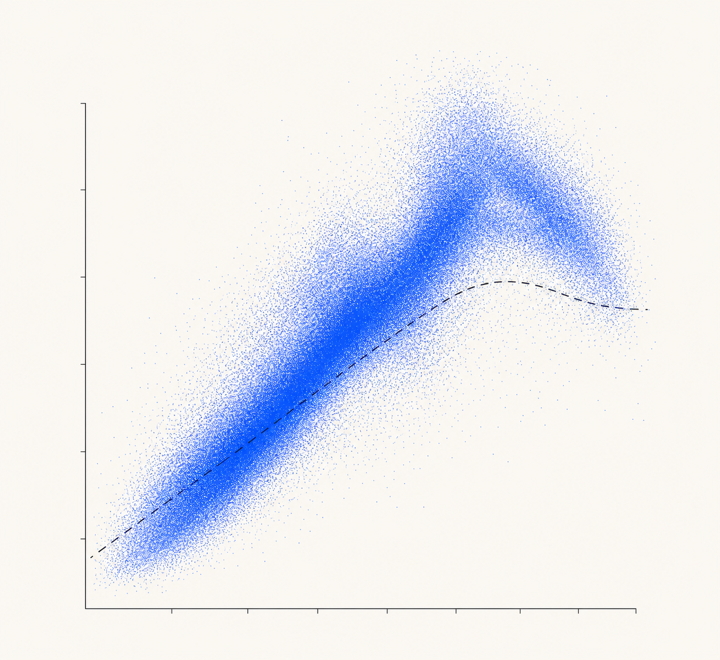
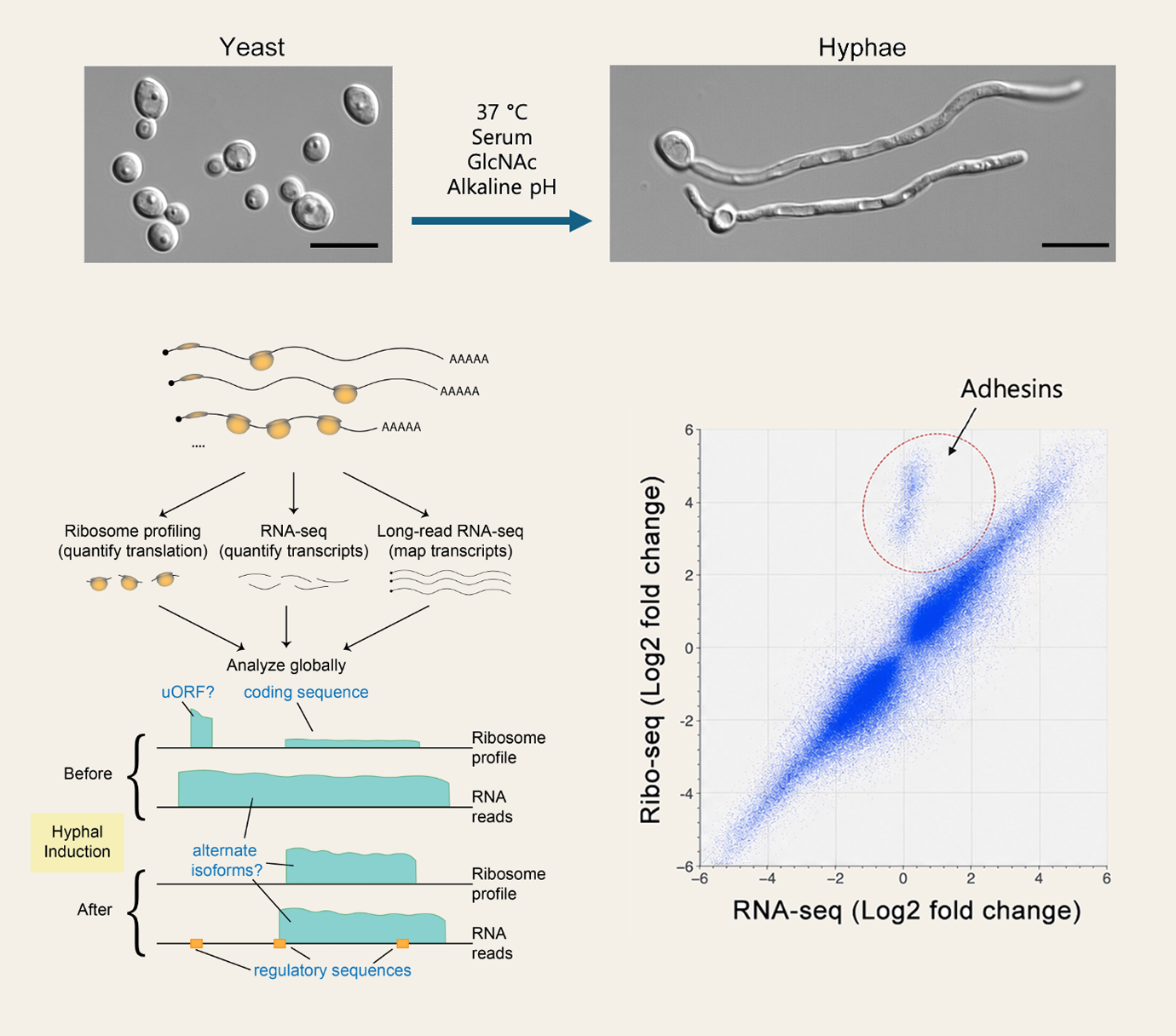
01Integrative multi-omics
02Genome editing
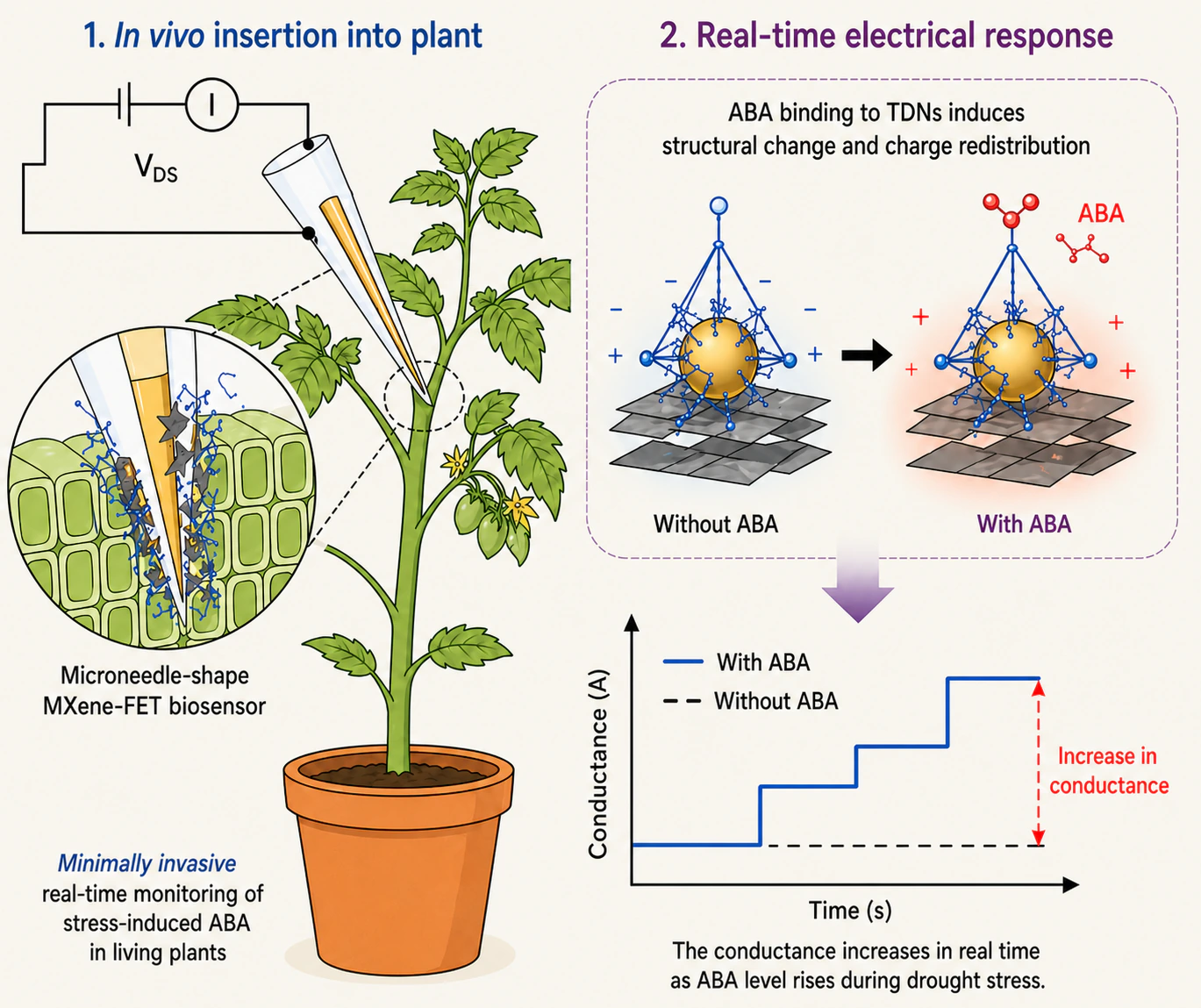
03Nanotechnology
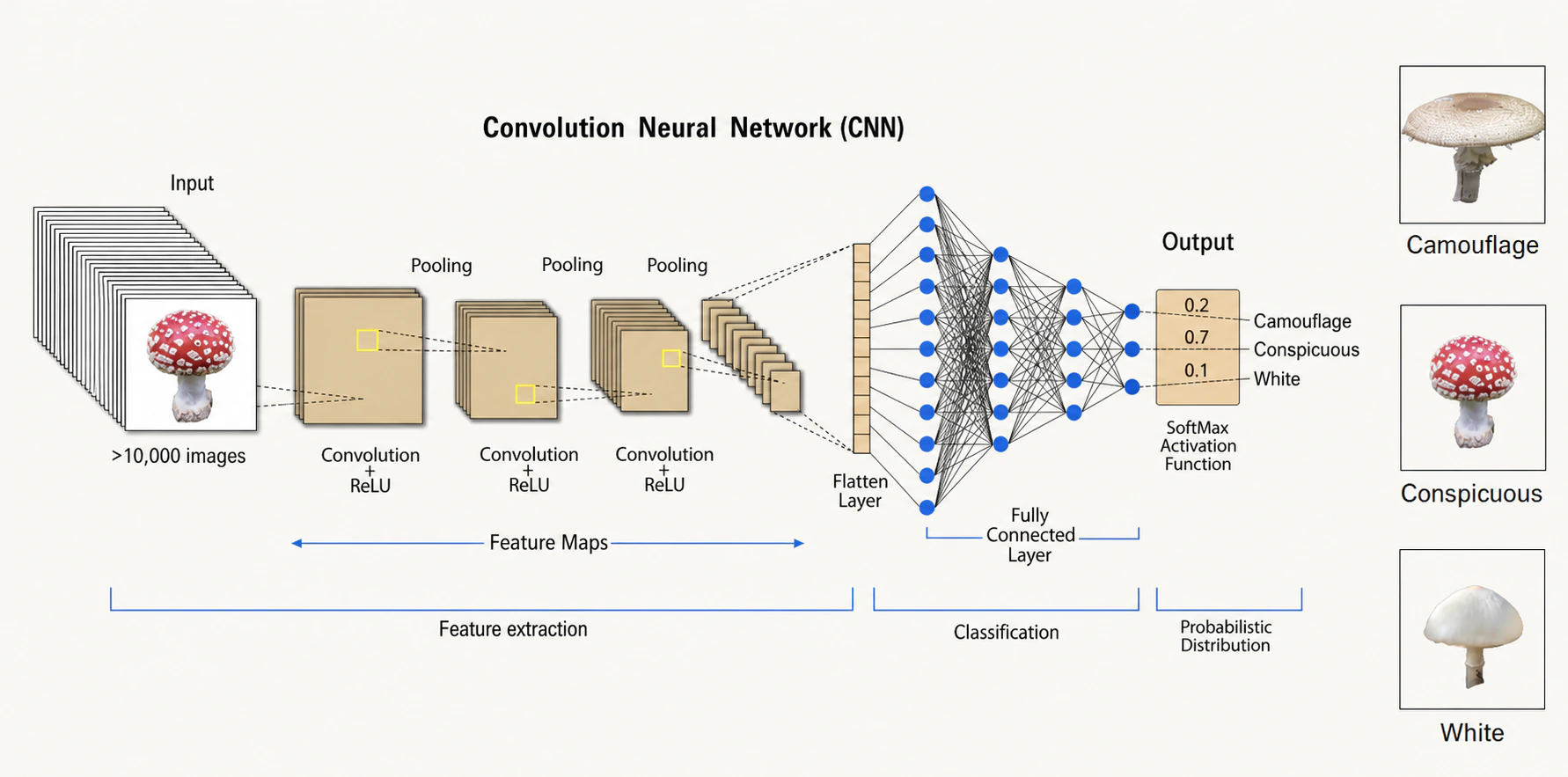
04Evolution · AI
Welcome to the Min Lab
Big questions, found in the microscopic world.
Fungi are crucial decomposers across the planet, yet some pathogenic fungi cause fatal infections in humans and devastating losses in crops. The emergence of antifungal resistance makes treatment and control increasingly difficult.
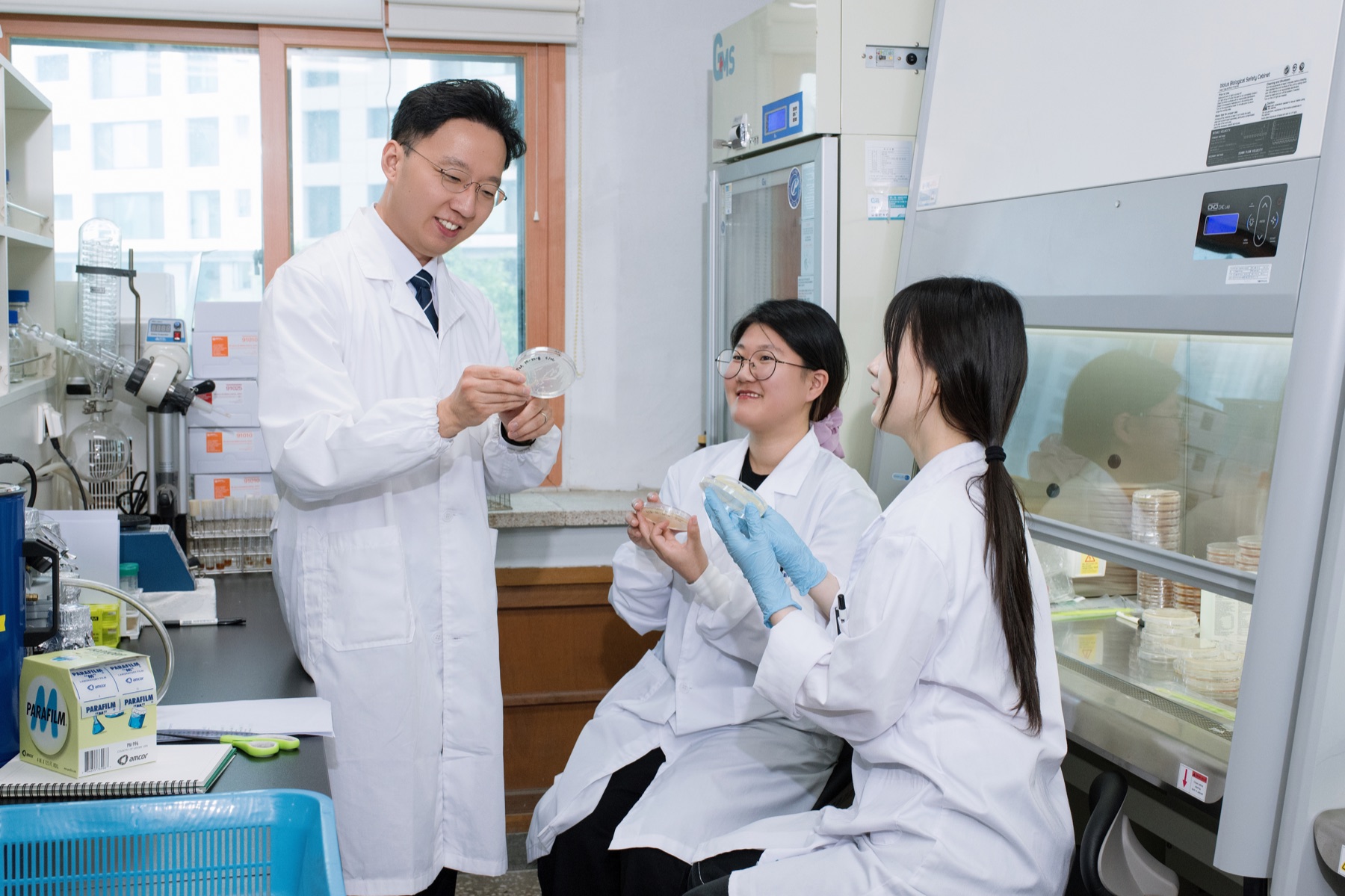
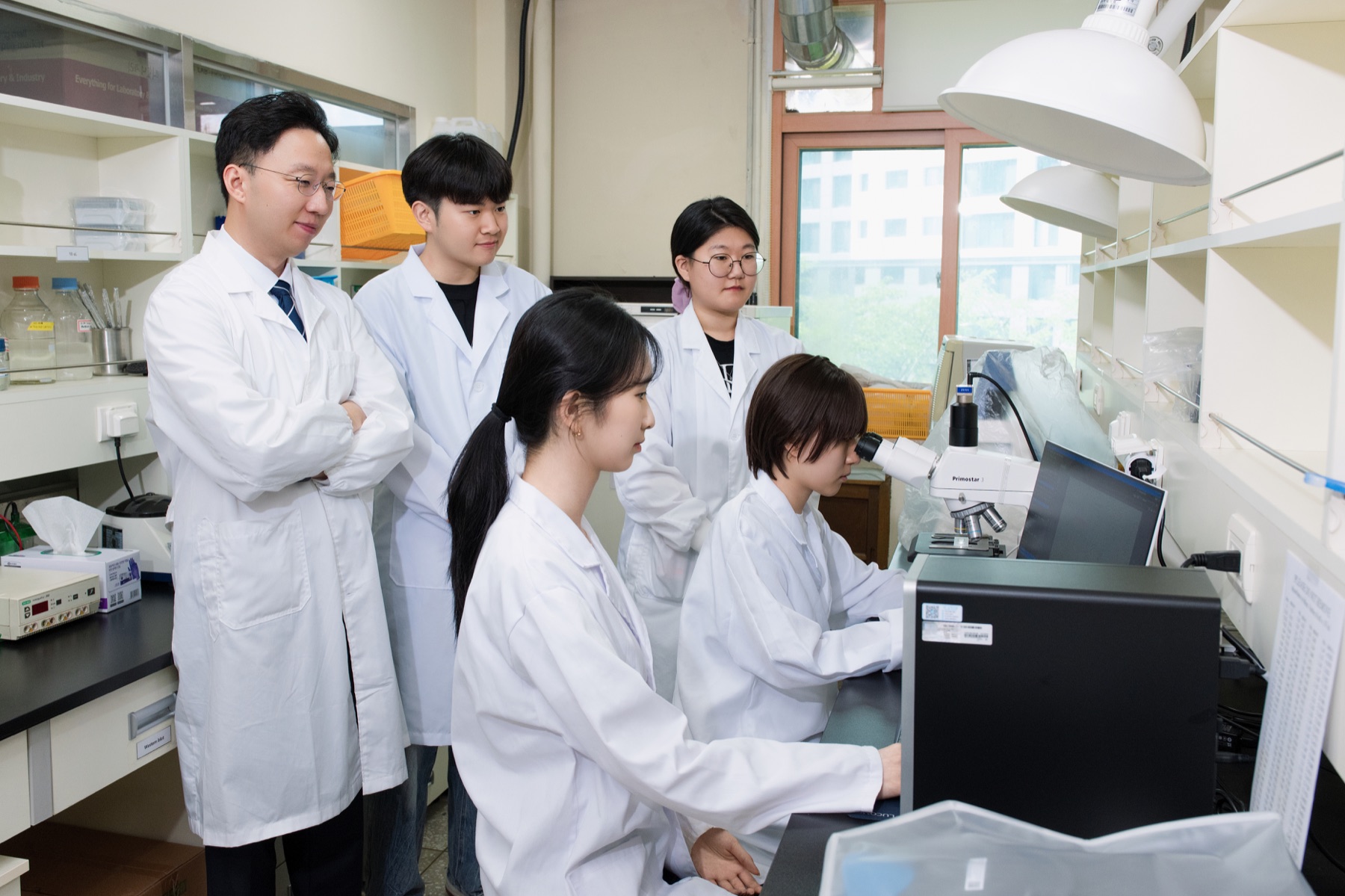
Through an interdisciplinary approach spanning multi-omics, genome editing, nanotechnology, and evolutionary analysis, the Min Lab investigates the molecular basis of fungal virulence and develops biotechnology that reduces agrochemical use, protects ecosystems, and supports sustainable growth.
01
Research
Three questions. One direction.
We connect fundamental discoveries in fungal virulence and evolution to technologies that protect people, plants, and ecosystems.
01
Mechanisms of virulence and drug resistance
We employ integrative multi-omics approaches to investigate novel mechanisms that promote virulence and drug resistance in pathogenic fungi. Our work reveals how the regulation of protein translation controls gene expression involved in virulence and resistance.
02
Nanosensors for real-time monitoring in plants
Plants release signaling molecules to manage drought, wounds, and disease. We develop nanosensors that detect these stress-related molecules in real time, creating opportunities to mitigate stress and prevent disease while using resources more efficiently.
03
Exploring mushroom evolution with AI
By integrating phylogenomic data, morphological images, and ecological information, we develop AI-based models to understand how toxicity, coloration, morphology, and other traits emerged and diversified across fungal lineages.
Principal Investigator
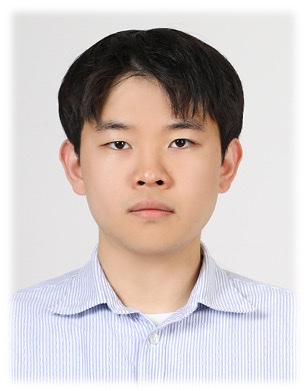
Kyunghun Min
Assistant Professor · Department of Microbiology · Pukyong National University
Assistant ProfessorDepartment of Microbiology, Pukyong National University
Assistant ProfessorDepartment of Plant Science, Gangneung-Wonju National University
Principal ResearcherDepartment of Agricultural Biotechnology, Seoul National University
Research ScientistRenaissance School of Medicine, Stony Brook University
Visiting ScientistDepartment of Biological Sciences, Carnegie Mellon University
Postdoctoral AssociateDepartment of Plant Pathology and Microbiology, Texas A&M University
Ph.D.Agricultural Biotechnology, Seoul National University
B.S.Applied Biology, Seoul National University
Inside the Lab
Working and growing together.
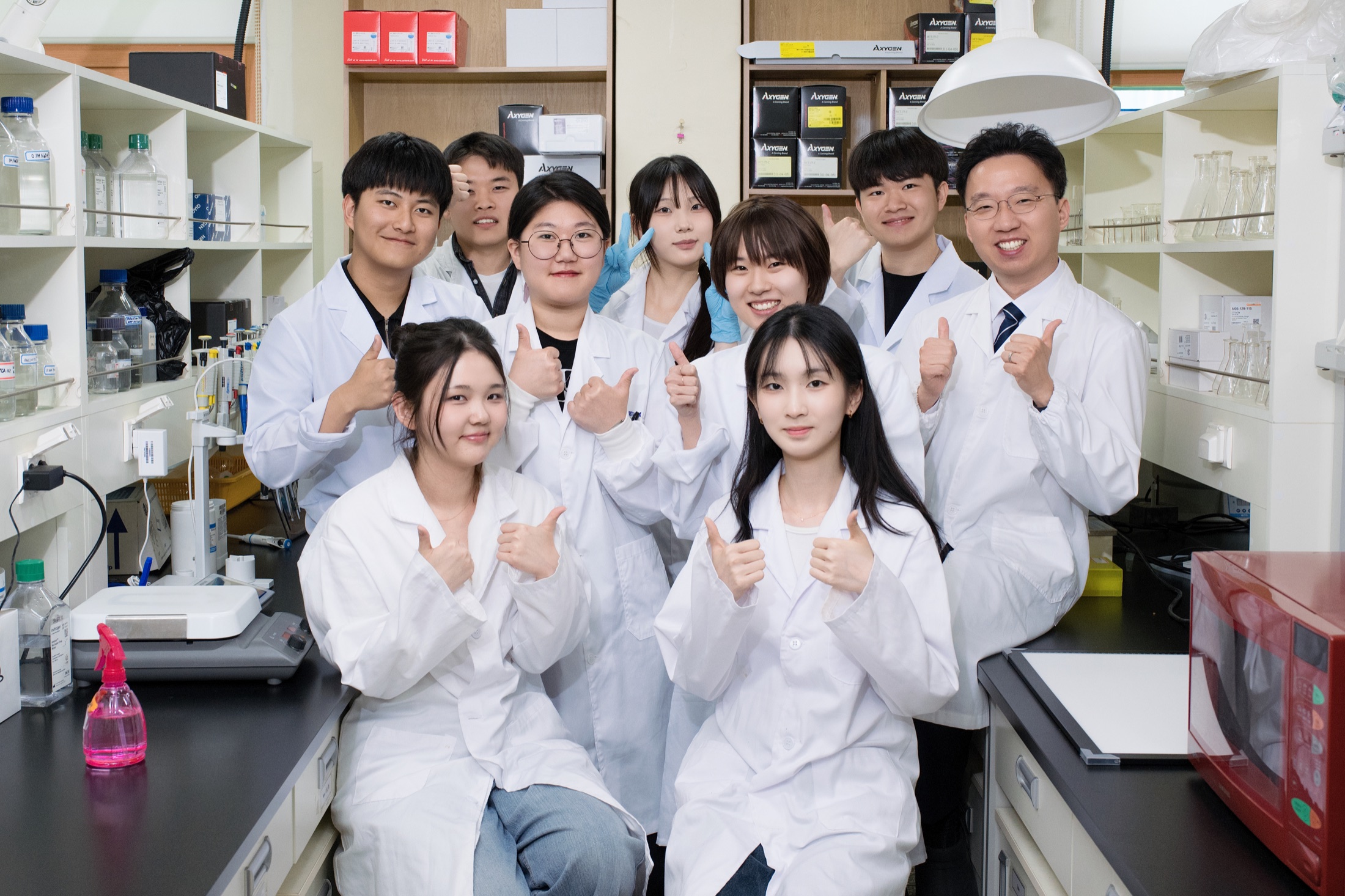
Min Lab, 2026Min Lab, 2026Min Lab, 2026
Lab Members
Graduate Students
01
Seongwon Jang
장성원
Expected B.S. · Department of Microbiology, Pukyong National University · 2026
Incoming M.S. student · Department of Microbiology, Pukyong National University · 2026
02
Jubin Kim
김주빈
Expected B.S. · Department of Microbiology, Pukyong National University · 2026
Incoming M.S. student · Department of Microbiology, Pukyong National University · 2026
02
Publications
Research papers · last 10 years
* Co-first authors · † Co-corresponding authors
S Bang, D Choi, S Park, S-E Lee, K Min†, S Hong†. In Vivo real-time monitoring of drought stress responses in plants using microneedle field-effect transistor biosensor. Sensors and Actuators B: Chemical. 451: 139412.
K Min, A Park. Shape-shifting mechanisms: Integrative multi-omics insights into Candida albicans morphogenesis. Mycobiology. 53(2): 250–257.
KA Swenson, K Min, JB Konopka. Candida albicans pathways that protect against organic peroxides and lipid peroxidation. PLoS Genetics. 20(10): e1011455.
J Park, H Jeon, A Hwangbo, K Min, J Ko, J-E Kim, S Kim, JY Shin, Y-H Lee, Y-W Lee, H Son. A winged-helix DNA-binding protein is essential for self-fertility during sexual development of the homothallic fungus Fusarium graminearum. mSphere. 25(9): e0051124.
H Moon*, K Min*, J Winarto, S Shin, H Jeon, DG Song†, H Son†. Proteomic analysis of cell wall proteins with various linkages in Fusarium graminearum. Journal of Agricultural and Food Chemistry. 72(11): 6028–6039.
H Jeon*, JW Yang*, D Shin, D Min, BJ Kim, K Min†, H Son†. Development of a selective medium for surveillance of Fusarium head blight disease. The Plant Pathology Journal. DOI: 10.5423/PPJ.OA.12.2023.0173.
Patents
Y-W Lee, AR Park, K Min, and H Son. 2012. Gibberella zeae with a deletion of FgFlbA gene and method for overproduction of mycotoxin using thereof. Korea. Patent No. 10-2012-0152584.
Y-W Lee, AR Park, K Min, and H Son. 2012. A mutant substituted on GzGpa2 gene and method for production of mycotoxin using thereof. Korea. Patent No. 10-2012-0152585.
News & Events
We are looking for curious students.
We welcome students interested in pathogenic fungi and innovative biotechnology.
Min Lab · Systems Biology LaboratoryRoom 7417, Building C24, 45 Yongso-ro, Nam-Gu, Busan 48513, South KoreaKyunghun Min, Ph.D.Room 7404, Building C24, 45 Yongso-ro, Nam-Gu, Busan 48513, South Korea +82-51-629-5616